Salman Khursheed talked about 'vulgar' salaries. Pranob Mukharjee should say some thing about dividents.
In 2006-2007 share holders of 1100 companies pocketed Rs 40,000 crores.
There is no tax on dividents paid to share holders.
Imagine the money (tax free) received by owners of companies.
I do not have the figures for
2007-08, 2008-09.
Tuesday, October 6, 2009


Sunday, September 27, 2009
Cricket

click to enlarge.
This is from Times of India of 16.9.09
I thought Azharuddin was remembered for match fixing.

Wednesday, September 9, 2009
Phonetics
In 1966-67 I was a student of Bombay University, studying English and American literature. Under exchange programme Mr. Chritopher Knap; a fresh graduate from Leeds was a faculty to teach us Phonetics. He stayed in the same hostel, university hostel on 'B' Road, Chrchgate, where I stayed. He was almost my age. He insisted we called him Chris. Mr. Green, British Cousel Librarian, visited once a week to talk about intonation.
We had Prof. Ropollo from Massechussets for American literature. Prof. Ropollo stayed in Taj Mahal hotel. It was quite an experience interacting with them.
I still have some handouts given by Chris, which I wish to share.


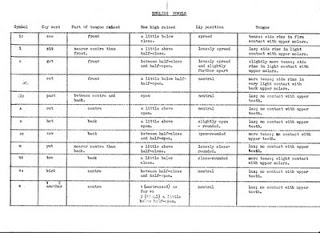
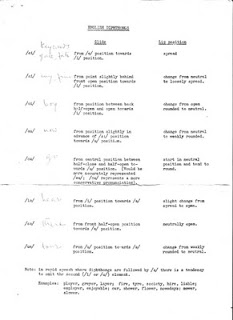 click to enlarge images


 click to enlarge images
Saturday, September 5, 2009
Classical dances of India
Classical dances in India have their origin in temples. They began as a form of worship.
Kathakali is a Kerala dance. It is a pantomime depicting a scene from Mahabharat, an epic, whch Hindus consider as 'smriti'(tradition). It is only performed by men.
Bharat Natyam is of Tamil Nadu origin. It was also originally performed in temples as a form of worship. This form of dance is sensuous and has foot work facial expressions (bhava), delicate body movements(mudra)and acting (abhinaya).
Kuchipudi originated in a village called Kuchipudi, in Guntur district of Andhra Pradesh. Originally it was performed by boys. When boys impersonate girls, they tend to exagerate the feminine gestures. That is how this dance has exagerated faminine gestures. This dance was patronised by Quli Qutub Shah, the founder king of Qutubshahi dynasty.
Orissi originated in Orissa. This dance was formed on the basis of scupted temple figures of Orissa. Since the movements in sculptures were restrited, in this dance foot and hand movements are closer to the dancers' body. In Bharatnatyam there is no restriction of movements.
Manipuri dance is Krishna Lila. This is a costume dance. Since the costume is very elaborate, the vibrancy is affected. However costumes, bhava and mudra are a treat to watch.
Kathak also originated in temples. Because of the patronage of Wajid Ali Shah of Avadh, it has become a secular dance. It has beautiful foot work, bhava, abhinaya and mudra. Most of the Hindi film dances are based on this form.
Kathakali is a Kerala dance. It is a pantomime depicting a scene from Mahabharat, an epic, whch Hindus consider as 'smriti'(tradition). It is only performed by men.
Bharat Natyam is of Tamil Nadu origin. It was also originally performed in temples as a form of worship. This form of dance is sensuous and has foot work facial expressions (bhava), delicate body movements(mudra)and acting (abhinaya).
Kuchipudi originated in a village called Kuchipudi, in Guntur district of Andhra Pradesh. Originally it was performed by boys. When boys impersonate girls, they tend to exagerate the feminine gestures. That is how this dance has exagerated faminine gestures. This dance was patronised by Quli Qutub Shah, the founder king of Qutubshahi dynasty.
Orissi originated in Orissa. This dance was formed on the basis of scupted temple figures of Orissa. Since the movements in sculptures were restrited, in this dance foot and hand movements are closer to the dancers' body. In Bharatnatyam there is no restriction of movements.
Manipuri dance is Krishna Lila. This is a costume dance. Since the costume is very elaborate, the vibrancy is affected. However costumes, bhava and mudra are a treat to watch.
Kathak also originated in temples. Because of the patronage of Wajid Ali Shah of Avadh, it has become a secular dance. It has beautiful foot work, bhava, abhinaya and mudra. Most of the Hindi film dances are based on this form.
Friday, August 14, 2009
Cricket
Cover drive: A drive that is hit away from the batsman's body.
Drive: A hit executed by the batsman in which he swings the bat in a long arc and sends the ball in one of several possible directions.
Glide: A hit, which is executed like a drive but is angled to go behind the batsman on his off side.
Hook: A hit that is executed by the batsman swinging his bat around his body, and following up with a complete body turn, usually pivoting on one foot...works best on a pitch that is moving away from the batsman on his "leg" side.
Late cut: A hit that is executed by a batsman by deflecting the pitch in a slicing motion, just before it reaches the wicket keeper or catcher.
Leg glance A hit consisiting of a deflection around the batsman's legs, of a pitch past the wicket keeper and behind him.
Lofted drive: A drive where the ball is lofted (hit in the air) to clear infield or midfield positions.
Off drive: A drive, which is executed at about a 45-degree angle to the line of the wickets, on the batsman's off side
On drive: A drive, which is executed at about a 45-degree angle to the line of the wickets, on the batsman's on or leg side.
Pull: A hit executed by a batsman "pulling" an offside pitch around his body towards his other (i.e.on, or leg) side.
Square cut: A hit that looks like a slash across the body, used by batsman to hit the ball "square" to his batting position.
Sweep: A hit executed towards his leg or on side, by "sweeping" his bat around his body.
Yorker: An "overpitch" delivery which is thrown so far forward as to bounce right under the batsman's bat, and beat him.
Spin: A kind of pitch, usually delivered at slow speed, where fingers or/and wrist are used to impart spin to the ball to achieve "breaks"; so, spin bowler = a pitcher who uses spin.
Seamer: A faster pitch delivered with the seam straight, and which can "slide" in the air or "break" unexpectedly.
Overpitched delivery: A pitch, which is pitched so far forward that the batsman can reach the point where it bounced by a forward step.
Outswing: A pitch, which moves down and away from the batsman in the air.
Long hop or short pitch: A pitch that is bounced far away from the batsman ( at least 7 to 10 yards away) , so it reaches the batsman after a long hop, or bounce.
Off-break: A pitch, which, after bouncing, "breaks" into the batsman's body from his off side.
Leg break :a pitch that is thrown and breaks into a batsman's body off the bounce, from the batsman's "leg" side.
Inswing: A pitch that moves into a batsman in the air.
Googly: A pitch which is thrown with grip but reverse finger spin to look like a leg-break that should move across and away from the batsman, but actually moves in the opposite direction, i.e. into the batsman, like an off-break, after it bounces.
Good length, or good-length delivery: A pitch which bounces just outside the batsman's maximum forward reach (i.e. 3 to 5 yards from the wickets, depending upon batsman's height).... these pitches are the hardest for a batsman to hit, because he cannot decide whether to step forward anyway, or if he should step back and give himself the maximum distance from the "bounce", to see what the ball might be doing.
Full toss: A pitch that reaches the batsman without a bounce.
Cutter, leg- or off- A fast pitch where a slashing arm action rather than wrist or finger spin is used to get a slight break off the bounce.... depending on the direction of the break, it can be called a leg-cutter or off-cutter.
Chinaman: A left-hander's googly.i.e. A pitch that looks as if it could break into a right-handed batsman on the bounce but breaks away instead.
Bumper: A ball that is bounced high enough to hit a batsman's head or shoulders.
Drive: A hit executed by the batsman in which he swings the bat in a long arc and sends the ball in one of several possible directions.
Glide: A hit, which is executed like a drive but is angled to go behind the batsman on his off side.
Hook: A hit that is executed by the batsman swinging his bat around his body, and following up with a complete body turn, usually pivoting on one foot...works best on a pitch that is moving away from the batsman on his "leg" side.
Late cut: A hit that is executed by a batsman by deflecting the pitch in a slicing motion, just before it reaches the wicket keeper or catcher.
Leg glance A hit consisiting of a deflection around the batsman's legs, of a pitch past the wicket keeper and behind him.
Lofted drive: A drive where the ball is lofted (hit in the air) to clear infield or midfield positions.
Off drive: A drive, which is executed at about a 45-degree angle to the line of the wickets, on the batsman's off side
On drive: A drive, which is executed at about a 45-degree angle to the line of the wickets, on the batsman's on or leg side.
Pull: A hit executed by a batsman "pulling" an offside pitch around his body towards his other (i.e.on, or leg) side.
Square cut: A hit that looks like a slash across the body, used by batsman to hit the ball "square" to his batting position.
Sweep: A hit executed towards his leg or on side, by "sweeping" his bat around his body.
Yorker: An "overpitch" delivery which is thrown so far forward as to bounce right under the batsman's bat, and beat him.
Spin: A kind of pitch, usually delivered at slow speed, where fingers or/and wrist are used to impart spin to the ball to achieve "breaks"; so, spin bowler = a pitcher who uses spin.
Seamer: A faster pitch delivered with the seam straight, and which can "slide" in the air or "break" unexpectedly.
Overpitched delivery: A pitch, which is pitched so far forward that the batsman can reach the point where it bounced by a forward step.
Outswing: A pitch, which moves down and away from the batsman in the air.
Long hop or short pitch: A pitch that is bounced far away from the batsman ( at least 7 to 10 yards away) , so it reaches the batsman after a long hop, or bounce.
Off-break: A pitch, which, after bouncing, "breaks" into the batsman's body from his off side.
Leg break :a pitch that is thrown and breaks into a batsman's body off the bounce, from the batsman's "leg" side.
Inswing: A pitch that moves into a batsman in the air.
Googly: A pitch which is thrown with grip but reverse finger spin to look like a leg-break that should move across and away from the batsman, but actually moves in the opposite direction, i.e. into the batsman, like an off-break, after it bounces.
Good length, or good-length delivery: A pitch which bounces just outside the batsman's maximum forward reach (i.e. 3 to 5 yards from the wickets, depending upon batsman's height).... these pitches are the hardest for a batsman to hit, because he cannot decide whether to step forward anyway, or if he should step back and give himself the maximum distance from the "bounce", to see what the ball might be doing.
Full toss: A pitch that reaches the batsman without a bounce.
Cutter, leg- or off- A fast pitch where a slashing arm action rather than wrist or finger spin is used to get a slight break off the bounce.... depending on the direction of the break, it can be called a leg-cutter or off-cutter.
Chinaman: A left-hander's googly.i.e. A pitch that looks as if it could break into a right-handed batsman on the bounce but breaks away instead.
Bumper: A ball that is bounced high enough to hit a batsman's head or shoulders.
Monday, August 10, 2009
Field positions in CRICKET

Click on the image to enlarge.
There are only eleven men in addition to Umpires and batsmen on the field, but they can be placed in any of the positions.
Subscribe to:
Posts (Atom)